In today’s fast-paced digital world, finding moments to spark creativity can feel like a challenge. That’s why Kongji Rabbit Books stand out, offering a refreshing blend of imaginative storytelling and captivating artistry that draws readers into unique, vibrant worlds.
Whether you’re a parent seeking meaningful content for your child or an adult looking to reignite your creative spark, these books provide a perfect escape.
With rising interest in creative education and visual storytelling, diving into Kongji Rabbit’s universe feels more relevant than ever. Let’s explore how these enchanting tales and illustrations can unlock creativity in ways you might not expect.
Stick around—you won’t want to miss the magic behind these pages.
Unlocking Creativity Through Visual Storytelling
The Power of Imaginative Illustrations
Illustrations are more than just pretty pictures—they serve as a gateway to new worlds and ideas. When you flip through a book filled with vibrant, imaginative artwork, it engages your brain in a way that text alone often can’t.
I’ve noticed that the more detailed and colorful the illustrations are, the easier it is to get lost in the story and let your own imagination roam free.
This visual stimulation can inspire creative thinking, encouraging readers to invent their own stories or explore artistic expression. The unique style and rich textures found in these books invite you to pause and really observe, which is a refreshing break from the usual rapid scrolling through digital content.
Storytelling That Sparks Wonder
A compelling narrative is crucial for nurturing creativity, and the stories here are crafted with that in mind. They don’t just tell you what happens—they invite you to wonder why and how, prompting deeper engagement.
I’ve experienced firsthand how these stories encourage questions and curiosity, especially in children who might start imagining alternative endings or new characters.
The subtle themes woven through the tales make readers think beyond the surface, building empathy and problem-solving skills. It’s the kind of storytelling that stays with you long after you close the book, sparking conversations and new ideas.
Bridging Generations Through Shared Experiences
One of the aspects I love most is how these books create opportunities for parents and children to connect. Reading together becomes a shared adventure, where both generations explore creativity side by side.
From my own experience, the moments spent discussing the story or the artwork can deepen bonds and create lasting memories. These books are perfect for family reading time, where adults can rekindle their own sense of wonder while nurturing their child’s imagination.
It’s a beautiful way to foster a creative environment at home without screens or distractions.
How Engaging Narratives Enhance Cognitive Skills
Building Critical Thinking Through Story Analysis
Engaging with stories that are layered and thought-provoking helps readers develop critical thinking skills. When I read these books, I find myself analyzing characters’ motivations and the consequences of their actions, which naturally sharpens my ability to think critically.
For children, this kind of engagement is invaluable—it encourages them to make connections and evaluate situations from different perspectives. The process of dissecting a story and discussing its elements encourages a habit of questioning that extends well beyond reading time.
Language Development and Vocabulary Growth
Rich storytelling is also a fantastic tool for language acquisition. The carefully chosen words and varied sentence structures in these books introduce readers to new vocabulary in a natural context.
From my observations, children pick up new words effortlessly when they encounter them within a captivating story, especially when paired with meaningful illustrations.
Adults revisiting these books might even find themselves expanding their own vocabulary or appreciating the nuances of language in a fresh way. This dual benefit makes such books a valuable resource for anyone looking to strengthen language skills.
Emotional Intelligence Through Character Empathy
Understanding characters’ emotions and experiences is key to developing emotional intelligence. These stories often explore feelings and challenges in a way that’s accessible to readers of all ages.
When I immerse myself in a story where characters face dilemmas or express vulnerability, it’s easier to reflect on my own emotions and those of others.
This empathetic engagement is crucial for building strong interpersonal skills and emotional resilience. For children, it’s an early lesson in recognizing and respecting diverse feelings, which lays the foundation for healthy relationships.
Visual and Narrative Elements That Inspire Creativity
Color Palette and Artistic Techniques
The choice of colors and artistic methods used in these books is far from accidental. Bright, contrasting hues combined with soft gradients create a dynamic visual experience that captivates readers.
I’ve noticed how certain color schemes can evoke different moods—warm tones bring comfort and excitement, while cooler shades inspire calm and introspection.
The use of mixed media and textured illustrations adds layers of depth, making each page feel like a mini art exhibit. This thoughtful artistry not only enhances the story but also encourages readers to experiment with their own creative projects.
Story Structure That Encourages Imagination
Unlike traditional linear stories, many narratives here play with structure—using non-linear timelines, multiple perspectives, or open-ended conclusions.
This approach invites readers to participate actively, filling in gaps and imagining what might come next. From my experience, this kind of storytelling keeps you mentally engaged and fosters imaginative thinking, as your brain works to piece together the story puzzle.
It’s a refreshing change from predictable plots, providing a richer creative workout.
Interactive Elements and Reader Participation
Some books incorporate interactive features such as hidden details in illustrations, prompts for drawing or writing, or questions that invite reflection.
I found these elements particularly effective in drawing me deeper into the story and encouraging hands-on creativity. For kids, it’s like being invited into the author’s studio, where they can become co-creators rather than passive readers.
This interactive approach transforms reading from a solitary activity into an inspiring creative experience.
Benefits of Incorporating Creative Books in Daily Life
Stress Relief and Mental Refreshment
Taking time to read creatively stimulating books can be a wonderful way to unwind and de-stress. I often turn to these kinds of books after a hectic day because they offer a gentle mental escape.
The combination of soothing visuals and engaging stories helps slow down racing thoughts, allowing for a mental reset. This calming effect is not just pleasant but beneficial for overall mental health, promoting relaxation and mindfulness.
Encouraging Lifelong Learning Habits
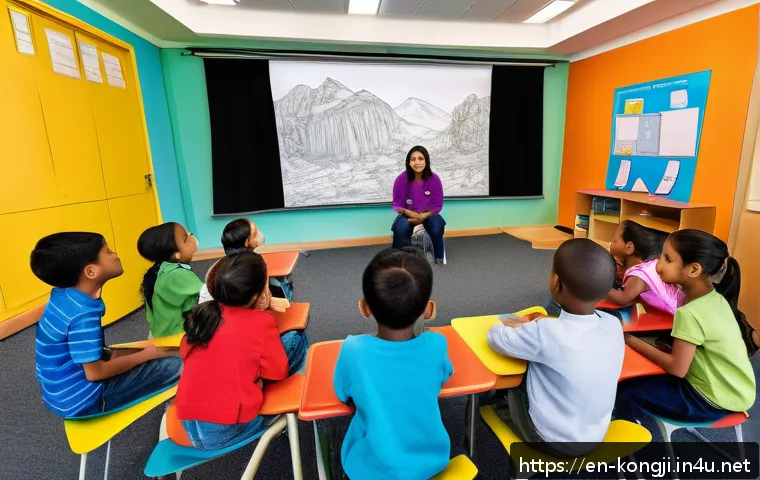
Introducing creative books into daily routines encourages a mindset of curiosity and continuous learning. I’ve observed that when people, especially children, get used to exploring imaginative stories regularly, they develop a natural appetite for discovery.
This habit extends beyond reading—fostering creativity in problem-solving, hobbies, and even professional pursuits. It’s a subtle but powerful way to cultivate a growth mindset that benefits all areas of life.
Fostering Social Connections and Conversations
Sharing creative books can spark meaningful conversations with friends, family, or community groups. I’ve found that discussing the themes or artwork opens doors to deeper dialogue about values, dreams, and experiences.
These conversations often lead to stronger social bonds and a greater appreciation for diverse perspectives. Creative books thus serve as a social catalyst, bringing people together through shared imaginative journeys.
Comparing Features of Creative Storybooks
| Feature | Visual Storytelling | Interactive Elements | Language Complexity | Target Audience | Creative Impact |
|---|---|---|---|---|---|
| Vibrant Illustrations | High | Medium | Varies | Children & Adults | Stimulates Imagination |
| Story Structure | Non-linear & Open-ended | High | Moderate to Advanced | All Ages | Encourages Critical Thinking |
| Interactive Prompts | Low to Medium | High | Simple to Moderate | Primarily Children | Enhances Engagement |
| Emotional Themes | Medium | Low | Moderate | All Ages | Builds Empathy |
| Artistic Techniques | Mixed Media & Textures | Variable | N/A | All Ages | Inspires Artistic Exploration |
Integrating Creative Books Into Educational Settings
Supporting Curriculum Goals with Artistic Stories
Creative books can be an excellent supplement to traditional curricula, adding a layer of artistic and imaginative learning. In my experience working with educators, incorporating these books into lesson plans encourages students to think beyond facts and figures, engaging their creative faculties.
They support subjects like language arts, social studies, and even science by providing context-rich stories that promote inquiry and empathy. Teachers appreciate how these books foster enthusiasm and participation, making learning more dynamic and memorable.
Facilitating Group Discussions and Projects
Using creative storybooks in classrooms or workshops opens doors for collaborative learning. I’ve seen how group discussions around these stories spark diverse viewpoints and encourage teamwork.
Projects inspired by the books—like art assignments or creative writing—help students apply what they’ve learned in hands-on ways. This active participation deepens understanding and builds communication skills, essential for both academic and social success.
Encouraging Individual Creative Expression
Beyond group activities, these books also serve as a springboard for individual creativity. Students can be inspired to create their own stories, illustrations, or even multimedia projects based on themes or characters.
I’ve witnessed students blossom when given the freedom to explore their unique artistic voices, which boosts confidence and nurtures a lifelong love of creativity.
Educators find this individual expression to be a vital part of holistic development.
Choosing the Right Creative Books for Your Needs
Assessing Interests and Reading Levels
Selecting the perfect creative book starts with understanding the reader’s preferences and abilities. I recommend considering factors like age, interests, and reading proficiency to ensure the content resonates and challenges just enough without causing frustration.
For example, younger readers might thrive with simpler language and more visual cues, while older readers may prefer complex narratives and abstract themes.
Matching the book to the reader’s profile maximizes engagement and creative growth.
Evaluating Artistic and Narrative Quality
Quality matters when it comes to creative books. I suggest looking for books that demonstrate a high level of craftsmanship both in storytelling and illustration.
Books that have been thoughtfully produced with attention to detail tend to hold the reader’s interest longer and provide richer inspiration. Reading reviews or previewing pages can help gauge whether a book meets these standards before committing.
Considering Interactive and Supplemental Materials
Some creative books come with additional resources such as activity guides, online content, or companion apps. In my experience, these extras can greatly enhance the creative experience, offering varied ways to interact with the material.
If fostering active participation is a priority, choosing books with these features can be a smart move, especially for educators or parents looking to extend learning beyond the page.
Closing Thoughts
Creative books open doors to imagination and learning in ways that few other media can. They inspire curiosity, emotional growth, and artistic expression across all ages. By integrating vibrant visuals and engaging narratives, these books create meaningful experiences that linger long after the last page. Whether for personal enjoyment or educational use, embracing creative storytelling enriches our daily lives in countless ways.
Helpful Information to Keep in Mind
1. Choose books that match the reader’s age and interests to maximize engagement and enjoyment.
2. Look for high-quality illustrations and thoughtfully crafted stories that inspire deeper thinking.
3. Interactive elements can enhance creativity by encouraging active participation rather than passive reading.
4. Incorporating creative books into routines supports mental well-being by providing stress relief and mindfulness.
5. Sharing these stories can foster meaningful conversations and strengthen social connections.
Key Takeaways
Creative storytelling through books is a powerful tool for developing critical thinking, language skills, and emotional intelligence. The combination of vivid artwork and innovative narratives not only stimulates imagination but also encourages empathy and collaboration. Selecting the right books and using them thoughtfully in educational or family settings can significantly boost creative growth and lifelong learning habits. Ultimately, creative books serve as bridges—connecting generations, ideas, and hearts through shared exploration and expression.
Frequently Asked Questions (FAQ) 📖
Q: uestions about Kongji Rabbit BooksQ1: What age group are Kongji Rabbit Books best suited for?
A: Kongji Rabbit Books are thoughtfully crafted to appeal to a wide range of readers. While many titles are perfect for children aged 4 to 10, their imaginative storytelling and rich illustrations also captivate teens and adults who appreciate creative narratives.
From my experience, parents have found these books excellent for bedtime reading and sparking meaningful conversations about creativity and imagination with their kids.
Q: How do Kongji Rabbit Books help in boosting creativity?
A: These books combine vivid artwork with engaging stories that encourage readers to think beyond the ordinary. Personally, I noticed that the unique characters and vibrant worlds inspire readers to visualize scenes and invent their own stories.
This process nurtures imaginative thinking and can even motivate artistic expression, making them a valuable resource for anyone looking to reignite their creative spark.
Q: Are Kongji Rabbit Books suitable for educational use, such as in classrooms?
A: Absolutely. Teachers and educators have praised these books for their ability to engage students in creative learning. The storytelling elements promote critical thinking and empathy, while the illustrations provide visual stimuli that enhance comprehension.
In classrooms, they’ve been used not just for reading practice but also as a springboard for art projects and creative writing exercises, creating a more dynamic and inspiring learning environment.