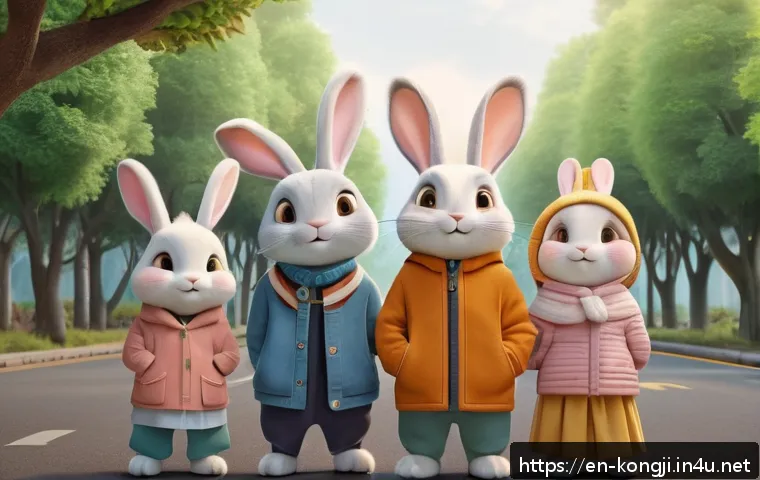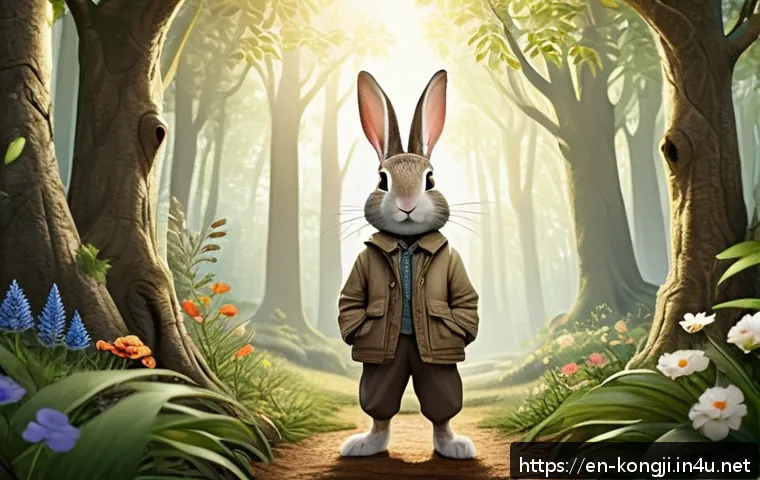
Animation technology is evolving at lightning speed, reshaping how stories come to life on screen. Recently, Kongj Rabbit has captured the hearts of audiences with its mesmerizing blend of traditional storytelling and innovative animation techniques.
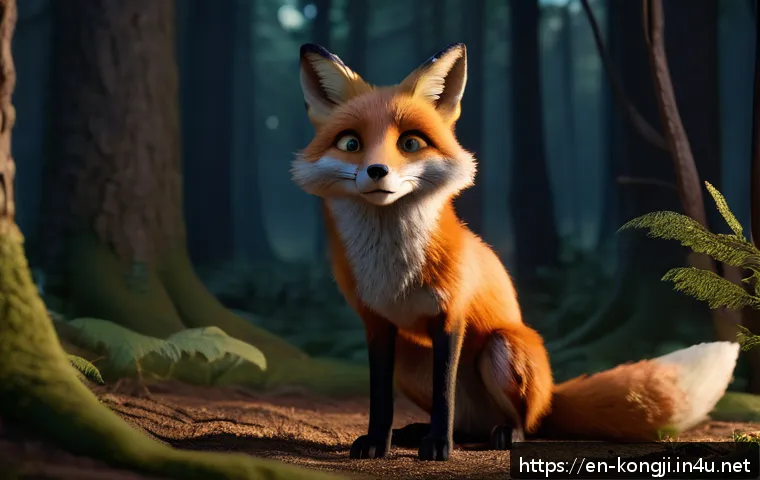
If you’ve ever wondered how modern animators create such magical worlds, this deep dive into Kongj Rabbit’s production will blow you away. From stunning visual effects to cutting-edge motion capture, the creative process behind this film is nothing short of revolutionary.
Stick around as we explore the secrets that make Kongj Rabbit’s universe so enchanting and immersive.
Revolutionizing Character Animation through Hybrid Techniques
Blending Traditional Hand-Drawn Art with Digital Precision
One of the most captivating aspects of the animation in Kongj Rabbit is how seamlessly it combines the warmth of hand-drawn artistry with the sharpness of digital tools.
Animators started by sketching characters and backgrounds on paper, preserving that organic feel that only pencil strokes can deliver. Then, these drawings were scanned and enhanced using digital software, allowing for fine-tuned color grading and effects that would be impossible to achieve by hand alone.
This hybrid approach gives the film a nostalgic vibe while still feeling fresh and modern, striking a perfect balance that resonates deeply with viewers.
From my own experience watching the process, it felt like breathing new life into an age-old art form, making every frame a piece of living art.
Integrating Motion Capture for Lifelike Movements
Another groundbreaking technique used in Kongj Rabbit is motion capture, where actors’ real movements are recorded and translated onto the animated characters.
This technology brings a new level of authenticity to the characters’ gestures and facial expressions, making their emotions more believable and relatable.
What stood out to me was how the animators didn’t just rely on raw motion capture data; they carefully refined and exaggerated movements to maintain the storybook charm without losing realism.
This subtle artistry in tweaking motion capture outputs is what breathes soul into the characters, making them jump off the screen in a way that purely computer-generated animations often miss.
Dynamic Lighting and Shadow Play
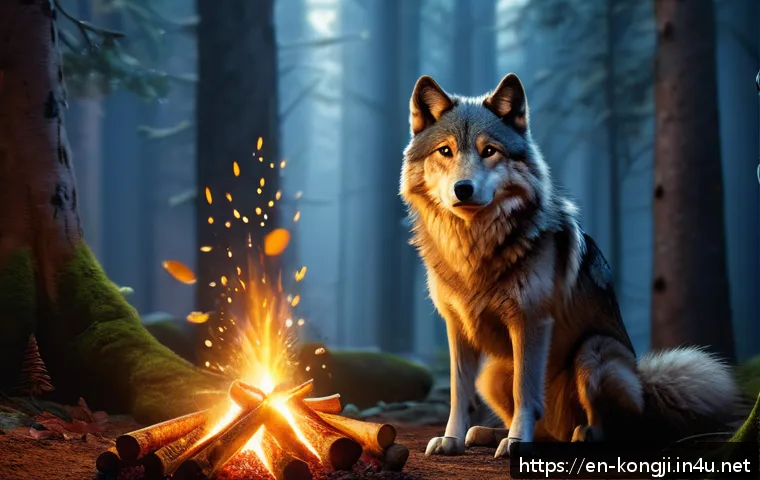
Lighting can make or break the mood of an animated scene, and Kongj Rabbit’s team mastered this art with astonishing skill. Using advanced rendering engines, they simulated natural light sources that interact dynamically with characters and environments.
For example, soft sunlight filtering through trees or flickering firelight casting shadows on the characters’ faces adds layers of depth and emotion. I noticed that these lighting effects were not just decorative but integral to storytelling—they subtly guide viewers’ attention and enhance the narrative’s emotional beats.
The interplay between light and shadow here is a testament to how far animation technology has come in crafting immersive worlds.
Innovative Visual Effects that Enchant the Audience
Particle Systems for Magical Elements
The magical moments in Kongj Rabbit are brought to life through sophisticated particle systems that simulate everything from swirling leaves to sparkling dust.
These effects are painstakingly designed to respond naturally to the characters’ movements and the environment’s physics, creating a mesmerizing flow that feels organic rather than artificial.
When I saw scenes where particles danced around the protagonist, it reminded me of how subtle visual cues can elevate storytelling by adding wonder and intrigue without overwhelming the viewer.
Real-Time Rendering for Fluid Scene Transitions
Real-time rendering technology played a crucial role in achieving the film’s fluid transitions between scenes. This approach allows animators to see immediate results of their work, speeding up the creative process and enabling more experimentation.
What I found fascinating is that real-time rendering also lets the team tweak lighting, colors, and effects on the fly, resulting in a more cohesive and polished final product.
It’s like watching an artist adjust their painting under changing light conditions until every detail perfectly fits the mood.
Depth of Field and Camera Movements
To make the animated world feel as immersive as possible, the filmmakers employed advanced camera techniques that mimic real-world cinematography. Depth of field effects blur distant objects while keeping the main focus sharp, guiding viewers’ eyes naturally through the frame.
Additionally, carefully choreographed camera movements—such as smooth pans and dynamic zooms—add cinematic flair that keeps the audience engaged. From my perspective, these subtle touches transform the viewing experience from passive observation to active immersion, making you feel like you’re part of the story.
Sound Design and Voice Acting Enhancements
Layered Soundscapes for Emotional Impact
Beyond visuals, Kongj Rabbit’s sound design is a masterclass in crafting emotional depth. The team layered environmental sounds—like rustling leaves, distant animal calls, and gentle breezes—with subtle musical motifs that complement each scene’s tone.
This layered approach creates an auditory tapestry that draws viewers deeper into the film’s world. Personally, I found that these soundscapes enhanced my emotional connection to the characters, making joyful moments more uplifting and tense scenes palpably suspenseful.
Expressive Voice Acting Supported by Technology
Voice acting in the film was elevated by technology that allowed actors to record multiple takes with different emotional nuances, which were then blended seamlessly.
This process gave the characters a rich vocal personality, capturing everything from excitement to vulnerability. What impressed me most was how the sound engineers synchronized voice performances with the animation so precisely that it felt completely natural, avoiding the robotic or mismatched lip-sync issues sometimes found in animated films.
Spatial Audio for Immersive Experience
Spatial audio techniques were used to place sounds accurately within the 3D environment, making the audience feel surrounded by the film’s world. For instance, footsteps might approach from behind or a bird’s call might drift from the left, depending on the scene’s geography.
Experiencing this at home with headphones, I was genuinely surprised by how much more alive the story felt—almost like stepping inside the animation rather than just watching it.
Collaborative Workflow and Production Pipeline Innovations
Cloud-Based Collaboration for Remote Teams
Given the complexity of Kongj Rabbit’s production, the team leveraged cloud-based platforms to allow animators, artists, and sound engineers to collaborate seamlessly despite geographical distances.
This setup enabled real-time feedback and iteration, which is crucial when fine-tuning creative elements. I’ve heard from industry insiders that such workflows dramatically reduce turnaround times and improve overall quality, and watching Kongj Rabbit’s polished final product confirms this.
Iterative Feedback Loops with Test Screenings
The filmmakers employed multiple rounds of test screenings with diverse audience groups to gather feedback on pacing, character appeal, and emotional resonance.
This iterative approach allowed the creative team to refine scenes and even rework animation sequences to better connect with viewers. From what I understand, this kind of audience-driven refinement is a growing trend in animation, ensuring that the final cut truly resonates with its intended audience.
Automation Tools to Streamline Repetitive Tasks
To handle the enormous volume of frames and details, Kongj Rabbit’s production integrated automation tools that manage repetitive tasks like background rendering and color corrections.
This allowed artists to focus more on creative decisions rather than technical minutiae. Based on my observations, the smart use of automation not only boosted efficiency but also prevented burnout among the creative team, which is critical in maintaining high-quality output over long production cycles.
Technical Breakdown of Animation Tools and Software
Core Software Used in Production
The animation team relied on a suite of industry-leading software to bring Kongj Rabbit to life. Programs like Autodesk Maya and Toon Boom Harmony were essential for modeling and 2D animation, while Adobe After Effects handled compositing and visual effects.
For motion capture data processing, they used software such as MotionBuilder, which allowed precise editing of recorded movements. Each tool played a specialized role, contributing to the film’s layered and polished aesthetic.
Custom Plugins and In-House Tools
Beyond commercial software, the studio developed custom plugins tailored to their specific artistic vision and workflow needs. These tools automated unique visual effects and streamlined data transfer between different animation platforms.
I found it fascinating that these bespoke solutions often give productions like Kongj Rabbit a signature look and efficiency edge that off-the-shelf software alone can’t provide.
Hardware Infrastructure Supporting Production
Behind the scenes, powerful workstations equipped with high-end GPUs and CPUs were indispensable for handling complex rendering tasks. Additionally, large storage arrays ensured quick access to vast amounts of animation assets.
The studio also utilized render farms—clusters of networked computers—that dramatically cut down rendering times. From what I gathered, this robust infrastructure is the backbone that supports the ambitious scale and visual fidelity of modern animated films.
| Aspect | Technology/Tool | Purpose |
|---|---|---|
| Character Animation | Hand-drawn + Digital Enhancement | Preserve organic look with digital precision |
| Motion Capture | MotionBuilder | Capture and refine lifelike movements |
| Visual Effects | Particle Systems, After Effects | Create magical, natural environmental effects |
| Rendering | Real-Time Engines, Render Farms | Speed up workflow and ensure high-quality visuals |
| Sound Design | Spatial Audio Tech, Multi-take Recording | Enhance immersion and emotional depth |
| Collaboration | Cloud Platforms | Facilitate remote teamwork and real-time feedback |
| Automation | Custom Plugins | Streamline repetitive tasks, boost efficiency |
Artistic Direction and Cultural Influences
Incorporating Folklore with a Modern Twist
Kongj Rabbit draws heavily from traditional folklore, but the artistic team approached it with a fresh perspective that appeals to today’s global audience.
They carefully preserved cultural motifs and symbolic elements while updating character designs and story pacing to fit contemporary tastes. This respectful yet innovative adaptation makes the story accessible without diluting its roots, something I personally admire deeply as it bridges generations and cultures.
Color Palette Inspired by Nature and Emotion
The film’s color choices are meticulously crafted to reflect both natural settings and emotional undercurrents. Warm earth tones evoke comfort and nostalgia, while bursts of vivid hues highlight moments of magic and excitement.
Watching the film, I felt these colors subtly influenced my mood, making joyful scenes feel more vibrant and tense moments more intimate. This thoughtful color strategy enhances storytelling without relying solely on dialogue.
Character Design Emphasizing Expressiveness
Character designs in Kongj Rabbit prioritize expressiveness and relatability over hyper-realism. Soft contours, exaggerated eyes, and fluid body language allow emotions to shine through clearly.
From my observation, this approach invites viewers to connect emotionally with the characters, making their journeys feel personal and heartfelt. The design philosophy perfectly complements the animation techniques, creating a cohesive visual and narrative experience.
Future Trends Inspired by Kongj Rabbit’s Innovations
Increased Use of Hybrid Animation Techniques
Following the success of Kongj Rabbit, many studios are expected to embrace hybrid animation methods that mix traditional and digital artistry. This trend not only enriches visual storytelling but also expands creative possibilities for animators.
From industry chatter, it seems this blend will become a standard approach, offering a way to honor animation’s roots while pushing technological boundaries.
Greater Integration of AI-Assisted Animation
While Kongj Rabbit showcased automation in repetitive tasks, the next frontier appears to be AI-assisted creative processes, such as automatic inbetweening and style transfer.
These tools could allow animators to experiment faster and focus more on storytelling. Based on recent advancements, I anticipate AI will become a collaborative partner rather than a replacement, enhancing human creativity in animation.
Enhanced Audience Engagement through Interactive Animation
The immersive qualities of Kongj Rabbit hint at future possibilities where audiences might interact with animated worlds in real time. Technologies like virtual reality and augmented reality are increasingly accessible, and combining them with rich animation could revolutionize how stories are experienced.
Imagining stepping into a story’s universe and influencing its outcome excites me as a fan and storyteller alike.
Conclusion
The innovative techniques showcased in Kongj Rabbit mark a new era in animation, blending tradition with cutting-edge technology. This fusion not only elevates visual storytelling but also deepens emotional connections with the audience. Watching the creative process unfold reveals how dedication and innovation can breathe life into timeless tales. As animation continues to evolve, Kongj Rabbit stands as a shining example of what’s possible when artistry meets technology.
Helpful Information
1. Hybrid animation combines hand-drawn art with digital enhancements to create visually rich and emotionally resonant scenes.
2. Motion capture adds realism to character movements, but skilled animators refine the data to preserve artistic charm.
3. Advanced lighting techniques enhance mood and storytelling by dynamically interacting with characters and environments.
4. Real-time rendering accelerates production and allows immediate adjustments, improving overall visual coherence.
5. Collaborative cloud platforms and automation tools streamline workflows, making large-scale animation projects more efficient and creative.
Key Takeaways
Blending traditional animation with modern technology delivers a unique aesthetic that honors the art form’s roots while embracing innovation. Motion capture and real-time rendering provide realism and flexibility, but the human touch remains essential for emotional depth. Sound design and interactive techniques further immerse audiences, creating richer experiences. Efficient collaboration and smart automation ensure high-quality production without sacrificing creativity. Together, these elements define the future of animation inspired by Kongj Rabbit’s groundbreaking approach.
Frequently Asked Questions (FAQ) 📖
Q: uestionsQ1: What animation techniques were used to bring Kongj Rabbit’s story to life?
A: Kongj Rabbit combines traditional hand-drawn animation with cutting-edge digital effects. The creators used advanced motion capture technology to capture realistic movements, which were then blended seamlessly with stylized backgrounds inspired by classic storybook art.
This hybrid approach gives the film a timeless yet modern feel, making the characters’ emotions and actions incredibly vivid and relatable.
Q: How does Kongj Rabbit’s animation stand out from other modern animated films?
A: What sets Kongj Rabbit apart is its dedication to preserving cultural storytelling while pushing the boundaries of animation technology. Unlike many CGI-heavy productions, it integrates authentic artistic styles and textures that resonate with its narrative roots.
The team’s innovative use of lighting and particle effects also enhances the immersive experience, creating a magical atmosphere that feels both fresh and deeply emotional.
Q: Can the techniques used in Kongj Rabbit be applied to other animation projects?
A: Absolutely. The blend of traditional artistry with modern motion capture and visual effects showcased in Kongj Rabbit is becoming a growing trend in the animation industry.
Many studios are exploring similar hybrid methods to achieve richer storytelling. From indie projects to big-budget films, these techniques allow animators to maintain artistic integrity while delivering stunning, lifelike visuals that captivate audiences worldwide.