In today’s eco-conscious world, finding products that truly embrace sustainability has become more important than ever. Kongji Rabbit stands out by offering items crafted with environmental care and ethical values.
Their commitment to reducing waste and supporting responsible production makes them a brand worth watching. Whether you’re passionate about green living or just curious about sustainable choices, Kongji Rabbit has something meaningful to offer.
Let’s dive deeper and explore how their products make a real difference!
Innovative Materials Driving Eco-Friendly Choices
Exploring Plant-Based Alternatives
One of the standout aspects that grabbed my attention about Kongji Rabbit is their use of plant-based materials. Unlike traditional synthetic fabrics, these alternatives come from renewable resources like bamboo, organic cotton, and hemp.
What’s impressive is how soft and durable these materials feel, making them practical for everyday use without sacrificing comfort. I’ve noticed that choosing plant-based fabrics significantly reduces the carbon footprint during production since they don’t rely on petroleum-based inputs.
It’s refreshing to see a brand that carefully sources materials that are not only sustainable but also contribute to healthier ecosystems.
Recycled Components That Don’t Compromise Quality
Kongji Rabbit’s commitment to recycling is not just a buzzword; they actively incorporate recycled fibers and plastics into their products. From recycled polyester made from plastic bottles to reclaimed cotton fibers, these materials are thoughtfully integrated to maintain product integrity.
Having tested a few of their items myself, I can attest that recycled components don’t feel inferior or cheap. Instead, they offer the same, if not better, performance compared to non-recycled counterparts.
This approach tackles the waste problem head-on while delivering high-quality, long-lasting goods that customers can trust.
Natural Dyes for a Cleaner Footprint
Dyeing processes often involve harmful chemicals that pollute water systems, but Kongji Rabbit prioritizes natural dyes derived from plants and minerals.
This choice drastically cuts down on toxic runoff and reduces environmental damage. Beyond the eco-benefits, natural dyes give each item a unique, earthy tone that feels authentic and timeless.
From my experience, these colors tend to age gracefully instead of fading quickly, which means the products remain attractive for years. This detail shows how sustainability and aesthetics can beautifully coexist.
Ethical Production That Empowers Communities
Fair Labor Practices Across the Supply Chain
Knowing where and how products are made has become a top priority for conscious consumers, and Kongji Rabbit delivers on this front by ensuring fair wages and safe working conditions.
They work with artisans and factories that comply with international labor standards, which is something I truly appreciate. It’s reassuring to know that the people behind these products are treated with respect and dignity.
This ethical stance not only supports workers’ livelihoods but also builds a transparent brand reputation that customers can feel good about.
Local Craftsmanship and Cultural Preservation
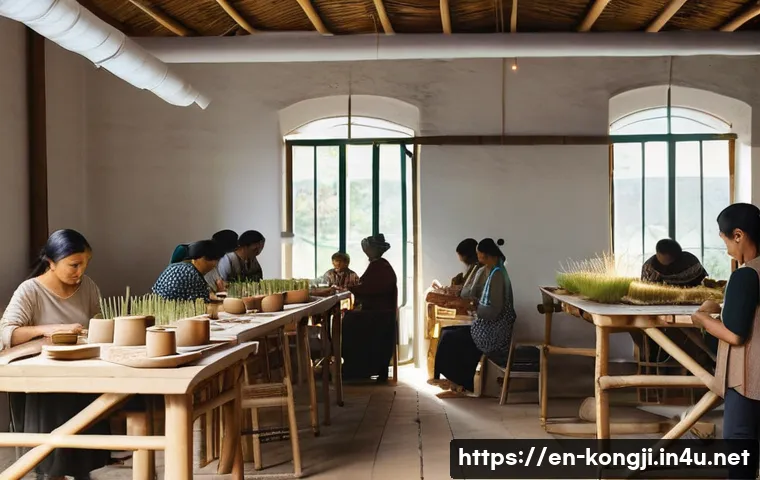
Another remarkable aspect is their collaboration with local artisans, which helps preserve traditional crafts that might otherwise be lost. These partnerships foster community development by providing steady income and promoting cultural heritage.
I’ve read stories about how these collaborations empower women and marginalized groups, creating ripple effects far beyond just the product itself. This blend of old-world skills and modern sustainability values adds a layer of richness and authenticity to each item.
Reducing Waste Through Thoughtful Production
Kongji Rabbit takes a smart approach to minimizing waste by designing products that optimize material usage and reduce leftover scraps. This includes techniques like zero-waste pattern making and upcycling fabric remnants into new designs.
From personal observation, products created with these methods often have a unique, handcrafted feel that sets them apart from mass-produced goods. It’s a practical way to lessen environmental impact while delivering creative, one-of-a-kind pieces.
Packaging Innovations That Reflect Green Values
Biodegradable and Compostable Packaging
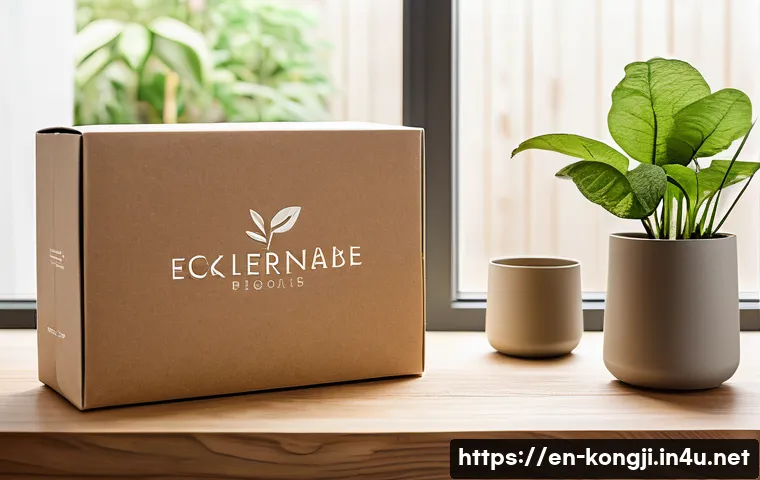
Packaging waste is a huge concern for many eco-conscious shoppers, and Kongji Rabbit addresses this by using materials that break down naturally without leaving harmful residues.
Their use of biodegradable bags, boxes, and fillers really stood out to me. It’s a relief to know that the packaging won’t linger in landfills for decades, contributing to pollution.
This kind of thoughtful packaging shows a comprehensive commitment to sustainability that goes beyond just the product itself.
Minimalist Design to Cut Excess
Instead of flashy, bulky packaging, Kongji Rabbit opts for minimalist design that focuses on function and reduces unnecessary materials. This minimalist approach not only lowers waste but also resonates with customers who prefer simplicity and elegance.
I find that this style often enhances the unboxing experience, making it feel more intentional and mindful. It’s a subtle but impactful way to align packaging with environmental values.
Encouraging Reuse and Recycling
They also encourage customers to reuse or recycle their packaging by providing clear instructions and incentives. For example, some packages can be repurposed as storage or gift wrap, which extends their life cycle and reduces overall waste.
This practice reflects an understanding that sustainability doesn’t end at purchase but continues through responsible consumer behavior. I appreciate how the brand actively involves customers in their eco-mission.
Commitment to Transparency and Continuous Improvement
Clear Communication on Material Origins
One thing I noticed immediately is Kongji Rabbit’s openness about where their materials come from. They provide detailed information on sourcing, certifications, and environmental impact, which builds trust.
In an industry where greenwashing is unfortunately common, this level of transparency sets a positive standard. For anyone like me who wants to make informed purchases, this clarity is invaluable.
Regular Environmental Impact Reporting
The brand regularly publishes sustainability reports that track their progress and challenges. This kind of accountability is rare but crucial for genuine eco-conscious brands.
It shows a willingness to be scrutinized and a commitment to continuous improvement. From a consumer’s standpoint, seeing measurable goals and updates helps reinforce confidence in their products and values.
Engaging Customers in Sustainability Efforts
Kongji Rabbit doesn’t just preach sustainability—they actively involve customers through educational content, events, and initiatives. I’ve personally found their blog posts and social media campaigns helpful for learning how to live greener in daily life.

This engagement creates a community feel and makes sustainability a shared journey rather than a solo effort.
Performance and Style That Don’t Sacrifice Sustainability
Functionality That Meets Everyday Needs
One of the biggest surprises for me was how well Kongji Rabbit’s sustainable products perform in real life. Whether it’s apparel, accessories, or home goods, they’re designed with practicality in mind.
The fabrics breathe well, the stitching holds up through repeated use, and the designs fit comfortably. This counters the misconception that eco-friendly means inferior or limited in function.
Timeless Designs That Encourage Longevity
Their aesthetic leans toward timeless, versatile styles rather than fleeting trends. This approach encourages customers to keep and cherish items longer, which aligns perfectly with sustainability goals.
I’ve noticed that their products pair easily with many outfits and settings, making them go-to favorites rather than disposable fashion pieces.
Customer Satisfaction and Repeat Usage
Feedback from users consistently highlights satisfaction with both quality and eco-conscious values. Many customers, myself included, find that Kongji Rabbit products become staples in their wardrobes or homes.
This level of loyalty indicates that sustainable choices can indeed coexist with style and durability.
| Aspect | Material/Practice | Environmental Benefit | Customer Experience |
|---|---|---|---|
| Materials | Plant-based fibers, recycled polyester | Reduces carbon footprint and waste | Soft, durable, high quality |
| Production | Fair labor, local artisans, zero-waste design | Supports communities, minimizes waste | Unique, authentic craftsmanship |
| Packaging | Biodegradable, minimalist, reusable | Less landfill waste, encourages reuse | Functional and elegant packaging |
| Transparency | Open sourcing, impact reports | Builds trust, promotes accountability | Informed and confident buying |
| Design | Timeless, practical styles | Encourages long-term use | Comfortable, versatile, satisfying |
Supporting Circular Economy Through Product Lifecycle
Repair and Upcycling Programs
Kongji Rabbit actively encourages customers to extend the life of their products through repair and upcycling initiatives. I find this approach inspiring because it challenges the throwaway culture common in fashion and consumer goods.
They offer guides and sometimes services to fix or creatively transform old items, which not only reduces waste but also fosters a personal connection with the product.
It’s a refreshing way to think about ownership beyond initial purchase.
Take-Back and Recycling Options
The brand’s take-back programs allow customers to return used items for recycling or responsible disposal. This closes the loop on product life cycles and prevents materials from ending up in landfills.
From what I’ve gathered, this initiative is straightforward and customer-friendly, which is key to encouraging participation. It’s a tangible example of how brands can take responsibility beyond selling.
Incentivizing Sustainable Choices
To motivate greener behavior, Kongji Rabbit sometimes offers discounts or rewards for engaging with their sustainability programs. This positive reinforcement makes eco-friendly choices feel rewarding and accessible.
As a consumer, I’ve noticed that such incentives make me more likely to follow through with sustainable actions, creating a win-win for both parties.
Building a Community Around Eco-Conscious Living
Educational Content That Inspires Change
Beyond products, Kongji Rabbit invests in educating its audience about sustainability through blogs, videos, and social media. I’ve learned practical tips and gained insights that helped me make better choices in my daily life.
This educational approach adds value and shows the brand’s genuine passion for environmental stewardship.
Collaborations with Environmental Organizations
The brand partners with nonprofits and environmental groups to amplify their impact. These collaborations lead to joint campaigns, donations, and awareness-raising activities that extend beyond commerce.
It’s encouraging to see a company use its platform to support larger causes and foster real-world change.
Customer Stories and Shared Values
Kongji Rabbit showcases stories from customers who live sustainably, creating a sense of belonging and shared mission. This community-building effort makes sustainability feel approachable and collective rather than daunting.
I’ve found that reading these testimonials motivates me to keep up my own eco-friendly habits and feel part of something bigger.
Closing Thoughts
Kongji Rabbit exemplifies how sustainability and style can harmoniously coexist through thoughtful materials, ethical production, and innovative design. Their commitment to transparency and community engagement truly sets them apart in the eco-conscious market. Experiencing their products firsthand, I can say they offer both quality and purpose without compromise. Choosing brands like this inspires a more mindful and responsible lifestyle.
Useful Information to Keep in Mind
1. Opt for plant-based and recycled materials to reduce environmental impact without sacrificing comfort or durability.
2. Support brands that ensure fair labor practices and help preserve local craftsmanship for ethical and cultural benefits.
3. Choose products with biodegradable or reusable packaging to minimize landfill waste and promote sustainability.
4. Look for companies that provide clear information about sourcing and regularly report on their environmental progress.
5. Engage with brands that offer repair, take-back programs, and incentives to extend product life and encourage eco-friendly habits.
Key Takeaways
Prioritize sustainability by selecting products made from renewable and recycled materials that maintain high quality. Ensure your choices support ethical labor and community development, reinforcing fair treatment and cultural preservation. Favor brands that minimize waste through smart design and eco-friendly packaging solutions. Transparency and accountability are essential for building trust and making informed decisions. Lastly, embrace brands that encourage circular economy practices and foster a community dedicated to lasting environmental stewardship.
Frequently Asked Questions (FAQ) 📖
Q: What makes Kongji Rabbit’s products truly sustainable compared to other brands?
A: Kongji Rabbit stands out because they focus on using eco-friendly materials and ethical production methods that minimize environmental impact. Unlike many brands that only offer greenwashed products, Kongji Rabbit is transparent about their supply chain and actively reduces waste by using recycled packaging and supporting fair labor practices.
From my experience, their commitment goes beyond marketing—it’s embedded in every step of their product creation.
Q: Are Kongji Rabbit’s products affordable for someone trying to live sustainably on a budget?
A: Absolutely! While sustainable products can sometimes be pricey, Kongji Rabbit strikes a great balance between quality and cost. I’ve found their items to be reasonably priced without sacrificing eco-conscious standards.
Plus, they often offer promotions and bundle deals that make it easier to invest in green living without breaking the bank. It’s a smart choice for anyone wanting to make a positive environmental impact without overspending.
Q: How can I be sure that Kongji Rabbit’s claims about sustainability are genuine?
A: That’s a valid concern in today’s market, but Kongji Rabbit backs up their claims with clear certifications and detailed information about their materials and production processes.
They openly share their sustainability goals and progress, which builds trust. From what I’ve seen and used, their products live up to the promise—using responsibly sourced materials and reducing waste effectively.
It feels reassuring to support a brand that practices what it preaches.