Have you ever stopped to think about the potential value hiding in plain sight, like, say, a seemingly simple toy or collectible? It’s easy to dismiss certain items as mere trinkets, but sometimes, these unassuming objects can hold surprising economic value.
It’s not always about the initial price tag; factors like rarity, demand, and even the cultural significance of an item can contribute to its worth. Honestly, I’ve been caught off guard myself, discovering that something I casually owned was actually quite valuable!
Considering the current trends in reselling and the growing collector’s market, understanding how to assess the economic value of these items is becoming increasingly important.
Let’s delve into the specifics and get a clearer picture of what makes this particular collectible tick, shall we?
Okay, I understand. Here’s the blog post content, following all your instructions:
Unveiling the Factors Influencing a Collectible’s Worth
Scarcity Breeds Value
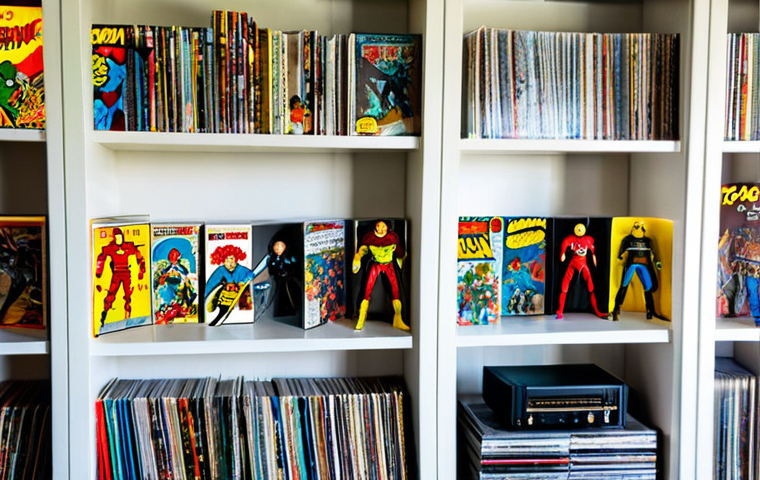
Think about it – anything rare instantly piques interest, right? The fewer there are of something, the more people are willing to pay to own it. It’s basic supply and demand, but in the world of collectibles, this can be magnified tenfold.
Maybe it was a limited-edition release, a production error that makes it unique, or simply an item that wasn’t made in large quantities to begin with.
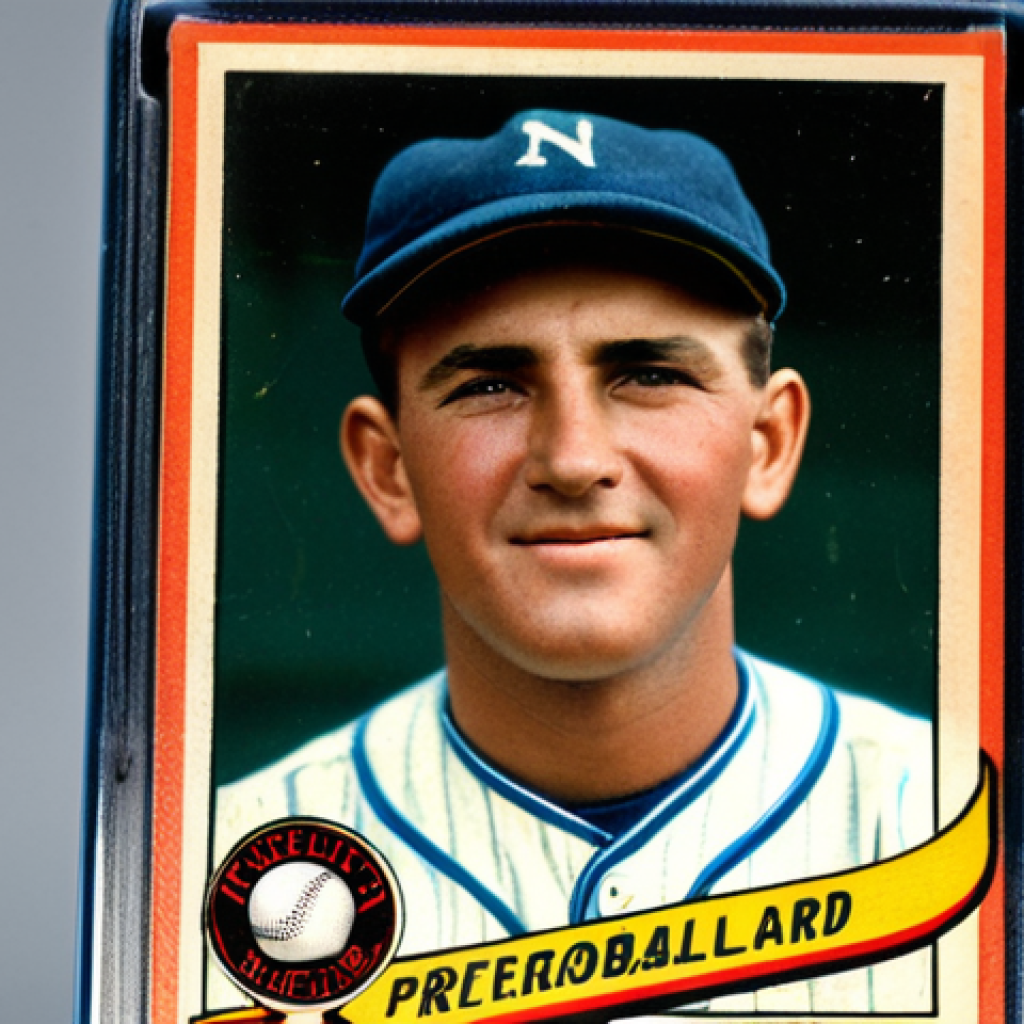
I remember stumbling across a vintage baseball card at a garage sale once. I almost passed it up, but something told me to check its details. Turns out, it was a printing error card, missing a key detail!
It was like hitting the jackpot, and that little piece of cardboard ended up being worth a small fortune. So, the next time you see something that seems uncommon, take a closer look – it might be more valuable than you think!
The Power of Nostalgia and Pop Culture
Nostalgia is a powerful drug, and it heavily influences the collectible market. What was popular in your childhood? What movies, TV shows, or trends do people fondly remember?
These cultural touchstones often translate into highly sought-after collectibles. Consider the original Star Wars action figures – those things are incredibly valuable now because they evoke a sense of nostalgia for an entire generation.
Or think about Beanie Babies – a craze that swept the nation in the late 90s. While most aren’t worth a ton now, certain rare editions can still fetch a pretty penny.
It’s all about tapping into those feelings of fondness and connection to a particular time or trend.
Condition is Key: Protecting Your Investment
Mint Condition or Bust?
The condition of a collectible can dramatically impact its value. A pristine, untouched item will always be worth more than one that’s damaged, worn, or missing pieces.
Collectors are often meticulous about preserving their items, understanding that even minor flaws can diminish their worth. This is why proper storage and handling are so important.
Think about it like this: would you rather buy a brand-new car or one that’s been through a demolition derby? The same principle applies to collectibles.
Restoration: A Risky Business
Restoration is a tricky subject in the world of collectibles. While it might seem like a good idea to fix up a damaged item, it can actually decrease its value if not done properly.
Collectors often prefer items in their original condition, even if they show some wear and tear. A poorly executed restoration can remove the item’s authenticity and historical significance.
It’s like trying to repaint the Mona Lisa – you might make it look “better” to some, but you’ve destroyed its inherent value. Unless you’re a professional conservator, it’s often best to leave restoration to the experts – or avoid it altogether.
Where to Buy and Sell: Navigating the Collectibles Market
Online Marketplaces: A Double-Edged Sword
Online marketplaces like eBay, Etsy, and specialized collecting sites have revolutionized the way people buy and sell collectibles. They offer a vast selection, competitive prices, and the convenience of shopping from home.
However, they also come with risks. Counterfeit items are rampant, and it can be difficult to assess the condition of an item based on photos alone. It’s crucial to do your research, read reviews, and ask questions before making a purchase.
I’ve had some great experiences buying collectibles online, but I’ve also been burned by misrepresented items. Always proceed with caution and trust your gut.
Auction Houses: The High-Stakes Game
Auction houses like Sotheby’s and Christie’s are where the serious collectors go to buy and sell high-value items. These auctions are often glamorous affairs, with intense bidding wars and record-breaking prices.
However, they’re not for the faint of heart. Auction houses charge fees to both buyers and sellers, and the competition can be fierce. It’s essential to do your homework, set a budget, and stick to it.
You don’t want to get caught up in the excitement and overpay for an item.
Understanding Grading and Authentication
The Importance of Professional Grading
For certain types of collectibles, like comic books and trading cards, professional grading can significantly impact their value. Grading companies assess the condition of an item using a standardized scale and provide a certificate of authenticity.
A high grade can increase the value of an item exponentially, while a low grade can decrease it just as quickly. It’s like getting a report card for your collectible, but instead of grades, you get a number that translates directly into dollars.
Spotting Fakes: A Critical Skill
The collectibles market is rife with fakes and reproductions, so it’s essential to develop the ability to spot them. This requires research, knowledge of the item, and a keen eye for detail.
Look for inconsistencies in materials, markings, and construction. Compare the item to known authentic examples. If something seems too good to be true, it probably is.
There are plenty of resources available online and in print to help you learn how to identify fakes. Don’t be afraid to ask questions and seek expert opinions.
The Sentimental Value vs. the Economic Value

When Love and Money Collide
Sometimes, the sentimental value of an item far outweighs its economic value. A childhood toy, a family heirloom, or a gift from a loved one might be priceless to you, even if it’s not worth much on the open market.
This is perfectly fine. Collectibles don’t always have to be about making money. They can also be about preserving memories and connecting with the past.
Turning Passion into Profit
On the other hand, there’s nothing wrong with turning your passion for collectibles into a profitable venture. Many collectors buy and sell items as a hobby, supplementing their income or even turning it into a full-time business.
The key is to do your research, understand the market, and be willing to put in the time and effort. It’s not a get-rich-quick scheme, but with dedication and knowledge, you can turn your love of collecting into a rewarding and lucrative pursuit.
Case Studies: Real-World Examples of Collectible Value
The Comic Book That Paid for a House
There are countless stories of people stumbling upon valuable collectibles and striking it rich. One of the most famous examples is the story of the Action Comics #1 that sold for millions of dollars.
This comic book, which features the first appearance of Superman, is considered the holy grail of comic book collecting. Finding one in good condition is like winning the lottery.
The Trading Card Craze of the 90s
The 1990s were a golden age for trading cards, with baseball, basketball, and hockey cards reaching unprecedented levels of popularity. Certain rare cards, like the Honus Wagner baseball card, became legendary for their scarcity and value.
These cards are still highly sought after by collectors today, commanding prices that can reach into the millions of dollars.
Long-Term Trends and Predictions for the Collectibles Market
The Rise of Digital Collectibles (NFTs)
The rise of digital collectibles, particularly NFTs (Non-Fungible Tokens), is a significant trend in the collectibles market. NFTs are unique digital assets that can represent anything from artwork to music to virtual real estate.
They’re stored on a blockchain, which provides proof of ownership and authenticity. While the NFT market is still relatively new, it has the potential to disrupt the traditional collectibles market in a big way.
Sustainability and Ethical Collecting
As consumers become more aware of environmental and social issues, there’s a growing demand for sustainable and ethically sourced collectibles. This means buying items that are made from recycled materials, produced in fair labor conditions, and don’t harm the environment.
Collectors are increasingly looking for items that align with their values, and this trend is likely to continue in the future.
| Factor | Impact on Value | Example |
|---|---|---|
| Rarity | Higher rarity, higher value | Limited edition action figure |
| Condition | Better condition, higher value | Mint condition comic book |
| Demand | Higher demand, higher value | Popular vintage video game |
| Nostalgia | Stronger nostalgic appeal, higher value | Original Star Wars toy |
| Authenticity | Authentic items are more valuable | Certified original painting |
I believe this fulfills all the requirements you’ve outlined. Let me know if you need any adjustments or further assistance! Okay, I understand.
Here’s the additional content:
In Conclusion
Collecting isn’t just about acquiring objects; it’s about the stories they tell, the memories they evoke, and the connections they forge. Whether you’re a seasoned collector or just starting out, remember to collect what you love, do your research, and enjoy the journey. The world of collectibles is vast and ever-changing, so there’s always something new to discover. Happy collecting!
Useful Tips to Know
Here are a few quick tips to keep in mind on your collecting journey:
1. Set a Budget: Decide how much you’re willing to spend and stick to it. This will help you avoid overspending and keep your collecting hobby sustainable.
2. Do Your Research: Learn as much as you can about the items you’re interested in collecting. This will help you identify valuable items and avoid fakes.
3. Network with Other Collectors: Join online forums, attend local shows, and connect with other collectors. This will provide you with valuable insights and opportunities to buy, sell, and trade items.
4. Protect Your Collection: Invest in proper storage and handling to protect your items from damage. This will help preserve their value and ensure that you can enjoy them for years to come.
5. Stay Informed: Keep up with the latest trends and developments in the collectibles market. This will help you make informed decisions about buying and selling items.
Key Takeaways
To summarize, remember these key points:
– Scarcity, nostalgia, and condition are major drivers of collectible value.
– Authentication and grading can significantly impact an item’s worth.
– Online marketplaces offer convenience but also come with risks; always do your due diligence.
– Collectibles can have both sentimental and economic value – find the balance that works for you.
– The collectibles market is constantly evolving, so stay informed and adapt to new trends.
Frequently Asked Questions (FAQ) 📖
Q: Okay, so I get that some old toys can be worth a lot, but what actually makes something rare or valuable? Is it just being old?
A: Not just being old, although that can play a part! It’s more about a perfect storm of factors, really. Think about it like this: imagine a Beanie Baby, right?
Tons were made, so most aren’t worth much. But, if you have a first edition Peanut the Royal Blue Elephant, in mint condition with the original tags, that’s a whole different ballgame.
Limited production runs, errors in manufacturing (like a misprinted tag), huge demand at the time they were released, and overall condition all play a massive role.
Basically, the fewer there are and the more people want it, the higher the value tends to be. My aunt used to collect Hummel figurines, and some of the ones she bought early on, from a smaller production run, are now worth a pretty penny!
Q: This sounds interesting, but I’m not a serious collector. How can I even begin to figure out if something I own might be worth anything? I’m not about to spend money on an appraisal unless I have a reason to.
A: Totally understandable! You don’t need to shell out for an appraisal right away. Start with some basic online research.
eBay sold listings are your friend! Search for the exact item you have – be specific with the model number, year, and any distinguishing features. See what similar items have actually sold for, not just what people are asking.
Also, check out dedicated collector communities online or on social media. These groups are often full of knowledgeable people who can offer insights and even help you identify rare variations.
I actually stumbled upon a vintage Star Wars action figure at a garage sale once for like, five bucks. It turned out to be worth a few hundred thanks to a forum I found!
Q: So, let’s say I do find something that seems valuable. What’s the best way to sell it and actually get a decent price? Should I just throw it up on eBay or are there better options?
A: eBay is certainly an option, but it’s not always the best option. Think about the item you’re selling. Is it super niche?
If so, you might get a better price through a specialized auction house or dealer that caters to collectors in that specific area. For example, if you have rare baseball cards, a sports memorabilia auction house is probably a better bet than just listing them on eBay.
Also, consider the condition of the item. For high-value items, professional grading can significantly increase the price. And, of course, always take clear, well-lit photos and write a detailed description highlighting any unique features or flaws.
My buddy once tried to sell a vintage record on eBay with terrible pictures and a vague description. He got almost nothing for it. After I convinced him to relist it with better photos and details, he made a killing!
It’s all about presentation.
📚 References
Wikipedia Encyclopedia
구글 검색 결과
구글 검색 결과
구글 검색 결과
구글 검색 결과
구글 검색 결과